



Wondering what to do if stung by a scorpion? This guide will walk you through the essential steps to handle the situation safely.
It’s a typical desert night in Arizona, and you’re half-asleep as you stumble out of bed to use the bathroom. As you step onto the cool tiles of the bathroom, your foot brushes against something small and unexpected. Before you can react, a sharp pain shoots up your leg. You flip on the light and see the culprit—a scorpion, curled and ready to strike again. Panic sets in as the pain intensifies, and you realize you’ve been stung.
While this scenario might sound like a nightmare, it’s a reality many in Arizona have faced. Scorpions are a common part of life in the desert. Though it’s something we’d rather not think about, it’s crucial to have a plan in place if a sting occurs.

Understanding the Danger of an Arizona Bark Scorpion Sting
The Arizona Bark Scorpion is the most venomous scorpion in the United States. While its sting can be extremely painful, it’s important to know that it’s rarely life-threatening. However, certain individuals are more at risk for severe reactions, including young children, the elderly, those who have experienced allergic reactions in the past, and individuals with compromised immune systems.
In Case of a Scorpion Sting: What You Need to Do
- Stay Calm: Panic can make the situation worse. Try to remain as calm as possible to avoid raising your heart rate, which can cause the venom to spread more quickly.
- Clean the Sting Area: Wash the sting site with soap and water to reduce the risk of infection.
- Apply a Cool Compress: Use a cold pack or a damp cloth to the sting area. This helps reduce swelling and numbs the pain.
- Take Over-the-Counter Pain Relief: Medications like ibuprofen or acetaminophen can help alleviate the pain.
- Call Poison Control (1-800-222-1222): Contact poison control for guidance on what to do next, especially if you’re unsure about the severity of the sting.
- Watch for Severe Symptoms: Symptoms such as difficulty breathing, muscle twitching, unusual eye movements, or severe swelling may indicate a more serious reaction. If any of these occur, seek emergency medical attention immediately.
- Seek Medical Attention: If a child, elderly person, or someone with a compromised immune system is stung, seek medical advice, even if symptoms are mild. If you’ve had a severe reaction to a scorpion sting before, go to the hospital immediately.
- Monitor the Person: Keep an eye on the person for at least a few hours after the sting. Most symptoms will present themselves within this time frame.
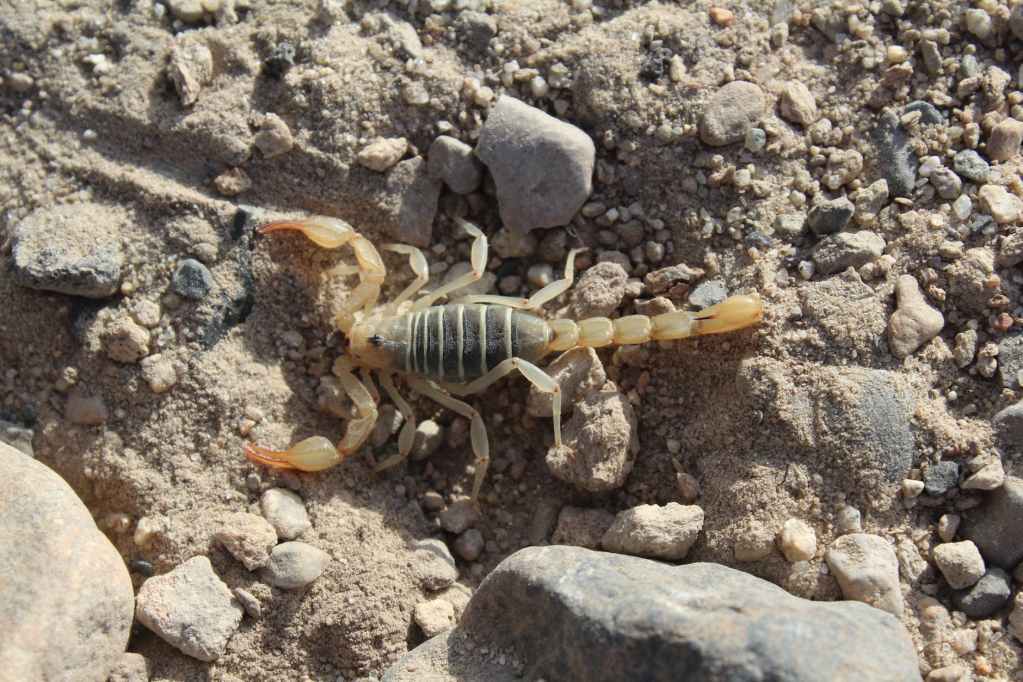
Prevention Is Key: Regular Scorpion Pest Control
The best way to avoid a scorpion sting is to prevent it from happening in the first place. Regular scorpion pest control services are essential to reduce the chance of scorpions getting inside your home. This is especially true during the hotter months when they are most active. By taking proactive steps, you can sleep peacefully, knowing that your home is protected.
A scorpion sting can be a frightening experience, but with the right knowledge and preparation, you can handle the situation calmly and effectively. Don’t wait until you or a loved one experiences a sting—invest in regular scorpion control services to keep your home scorpion-free.

Leave a Reply